
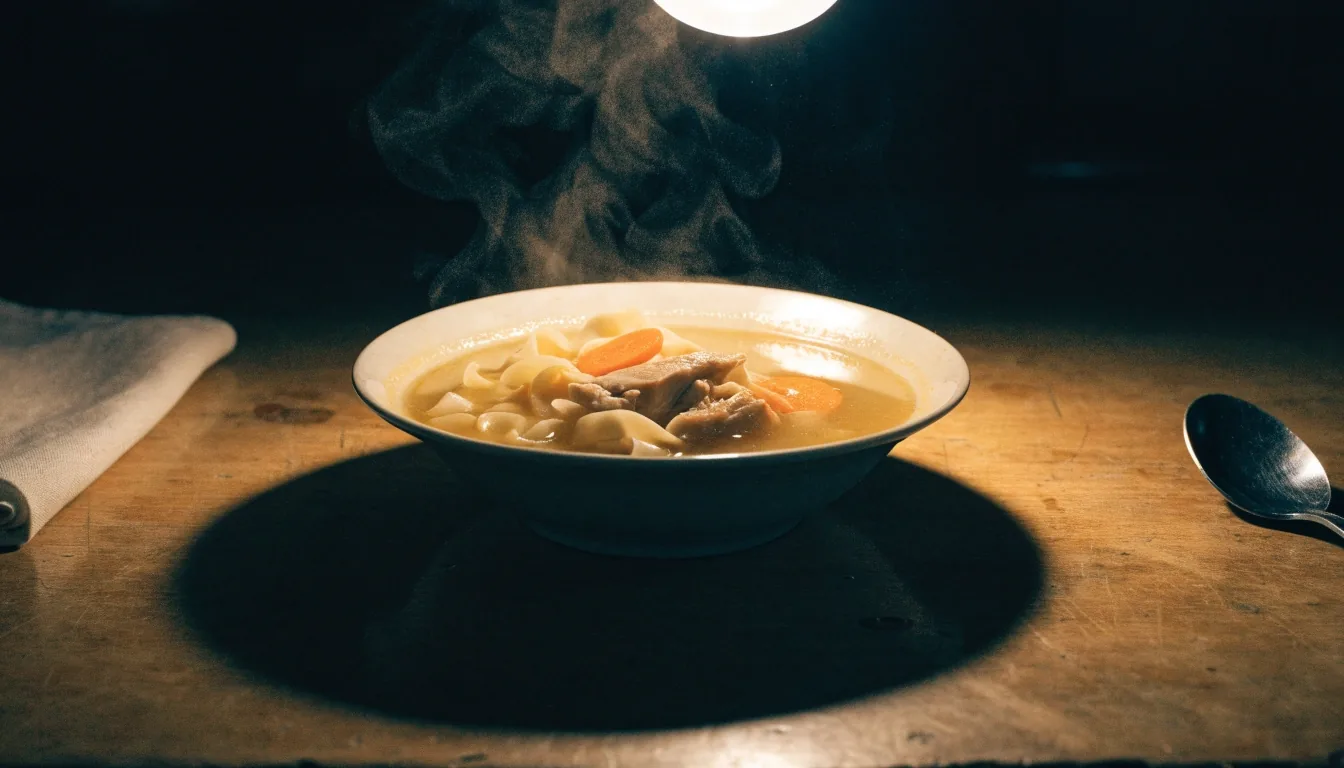
The curation standard
Ten dishes · tested twice each · Los Angeles
About This Recipe Collection
A small editorial team in Los Angeles ranks ten chicken dishes by how reliably they work in a normal home kitchen.
Why ten, and no more
A short list beats a long one
This site is a curated catalog of ten chicken dishes, run by a small editorial team based at 4820 W Sunset Blvd in Los Angeles. The goal is straightforward: rank the dishes that actually work at home, explain the technique behind each one, and skip the filler.
Ten is a working number, not a marketing one. A list of forty dishes would mean we could not cook each one twice before publishing, and an untested recipe is worse than no recipe. So the catalog stays short, and every page in it has been cooked, adjusted, and cooked again on ordinary equipment.
If you arrived looking for dave hot chicken or daves hot chicken style heat, the Nashville hot chicken page is where that technique lives. If you want the full ranked list first, the recipe catalog lays out all ten dishes side by side.
Who Curates This
A small team of home cooks and recipe testers, working out of a studio on Sunset Boulevard. No restaurant kitchen, no professional equipment beyond a thermometer and a cast-iron skillet. That constraint is deliberate: if a recipe only works with gear most people don't own, it doesn't belong here.
The studio is a working kitchen, not a set. What you see in a photograph is the counter the dish was cooked on, and the timing notes come from a stopwatch on that same counter. When two testers disagree about a step, the version that survives goes on the page and the disagreement gets written into the notes.
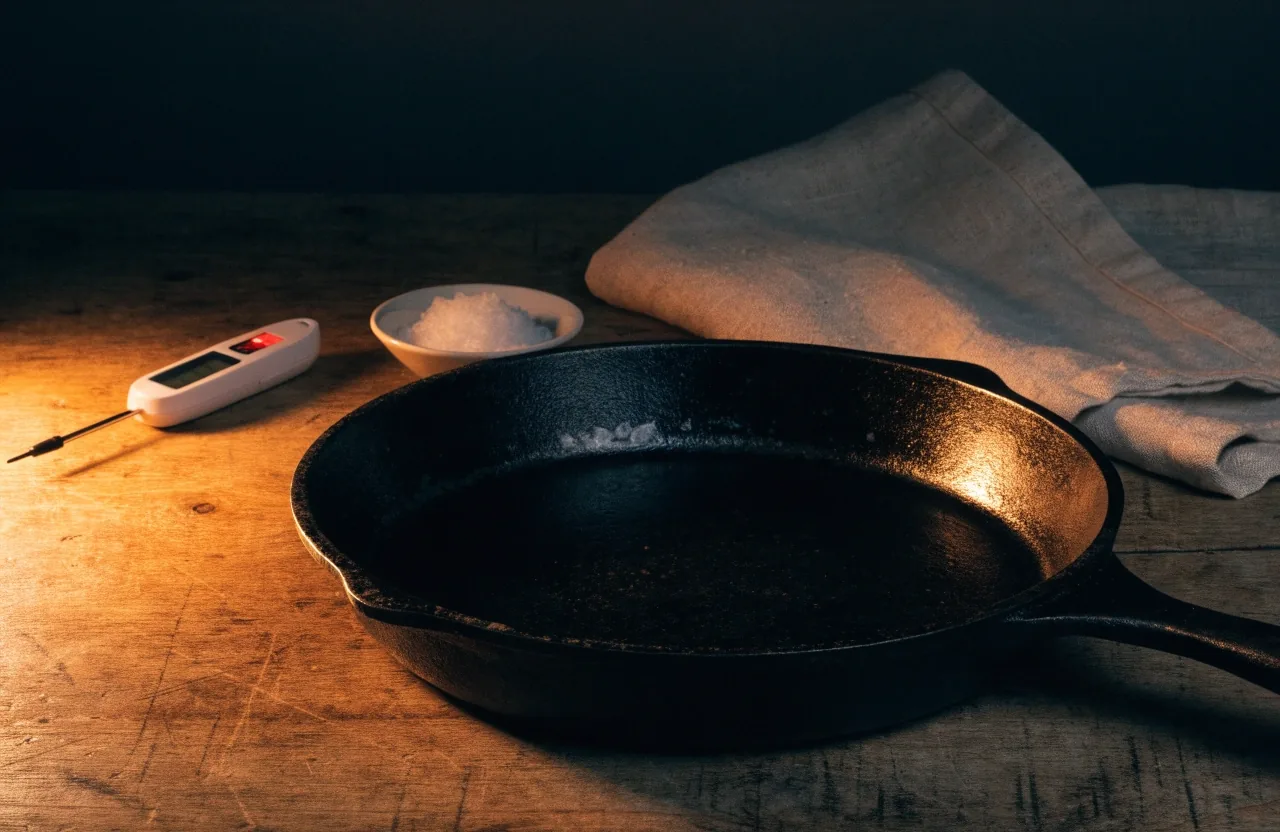
One thermometer decides doneness. Every stage time on this site is checked against it rather than judged by eye.
One skillet handles the frying, searing and basting. If a step needs a second pan, the step gets rewritten.
Times are written for a home stove, not a commercial range, and they carry a range rather than a single number.
Notes stay in the voice of the tester who cooked the dish, including the parts that went wrong the first time.
How Dishes Are Selected
Every dish has to solve a real technique problem. Hot chicken is about applying heat after frying. Buttermilk fried chicken is about dredge and oil temperature. Roast chicken is about the skin-to-moisture tradeoff. If a dish has no such problem, it doesn't make the list. That filter keeps the catalog at ten and keeps it useful.
Nashville hot chicken
The problem is heat applied after frying. Cayenne paste on a finished crust either blooms into the breading or turns bitter, and the difference is the fa temperature when the paste goes on.
Buttermilk fried chicken
The problem is dredge and oil temperature moving at the same time. Flour hydration, resting time between dredge and fry, and the point where the oil drops below the right range all decide whether the crust holds.
Roast chicken
The problem is the skin-to-moisture tradeoff. Crisp skin needs dry heat and a dry surface; tender breast needs a pull temperature well below boiling. Both goals fight each other, and the fix is a sequence, not a single setting.
Wings, tenders and sliders
The problem is timing small pieces so the coating finishes before the meat dries out. A wing and a tender behave differently in the same oil, and the page says which adjustment belongs to which.
Chicken noodle soup
The problem is building broth that tastes like chicken rather than like water with chicken in it, while keeping the noodles from turning soft in the pot.
A dish that only solves a problem in a restaurant setting is out. A dish that solves a problem everyone meets on a Tuesday night is in. That is the whole filter, and it is why the catalog does not grow with the seasons.
How Recipes Are Tested
Each dish is cooked at least twice before it gets a page. The first pass establishes the baseline; the second is where adjustments happen for a normal home kitchen. Timing is checked with a thermometer, not by eye. If a step only works with a specific brand of equipment, it gets flagged or replaced.
A third pass happens when a reader reports that something did not work. Those reports are the most useful feedback we get, because they come from kitchens we have never stood in.
First cook — baseline
Follow the source exactly, note where the timing drifts.
Second cook — home adjustment
Rewrite for one skillet, one thermometer and a home burner.
Thermometer check
Pull temperatures replace visual cues wherever the two disagree.
Equipment flag
Brand-specific steps are either replaced or marked as such.
Reader correction
Recooked before anything on the page is changed.
Two cooks is the floor, not the ceiling. A dish with a fragile step gets cooked as many times as it takes for the notes to stop contradicting each other.
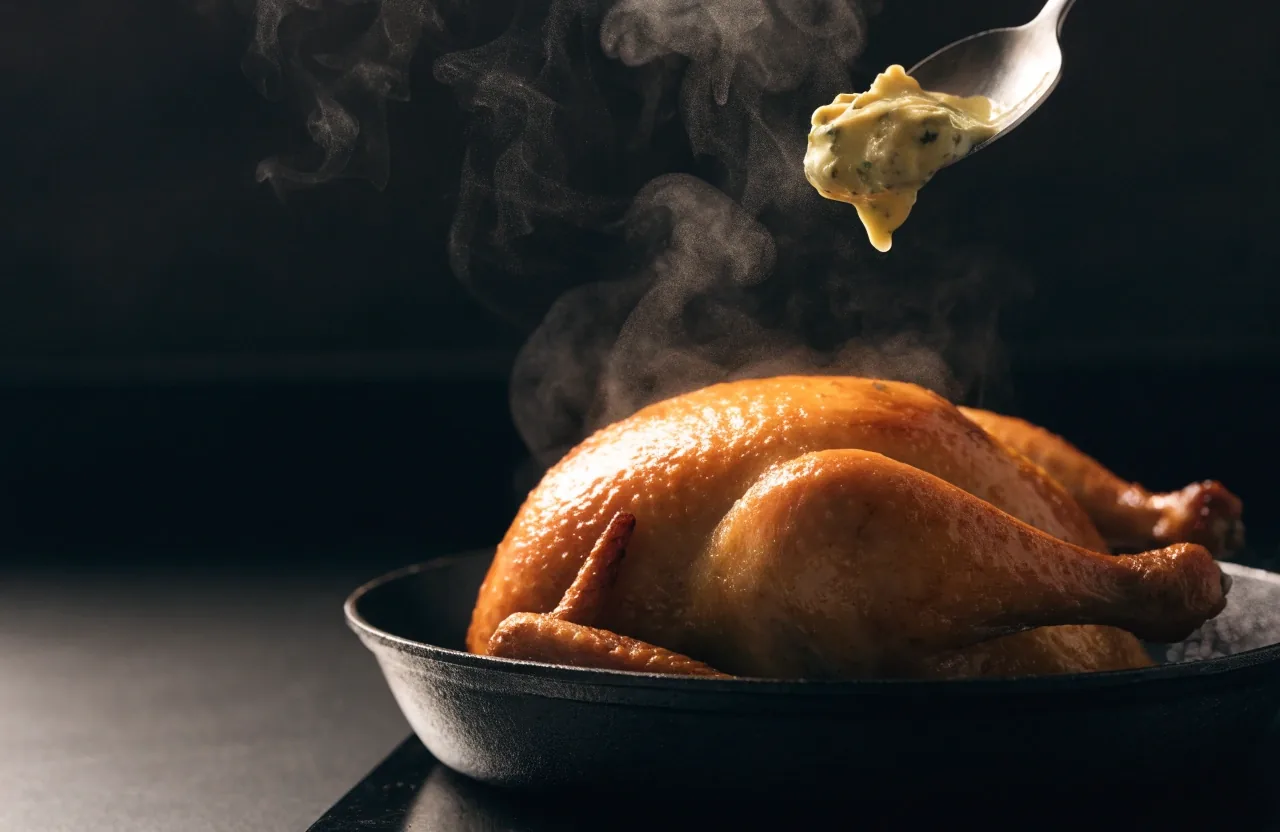
Ranking standards: reliability and teaching value, not popularity
A dish that works consistently and teaches a transferable technique ranks higher than one that is trendy but fragile. Nashville hot chicken and buttermilk fried chicken sit near the top for that reason. Roast chicken is high because it teaches the most per attempt.
The order can move. If a technique stops holding up in testing, the dish slides down the list, and the note explaining why stays on the page.
What's Not Here
No sponsored placements, no paid rankings, no affiliate framing. Dishes are ranked on how they perform in testing. If a recipe is included, it is because it earned the spot, not because a brand paid for it.
That also means no restaurant reviews and no brand comparisons. The catalog is about technique, so a page tells you what to do with chicken, not where to buy it.
Read the privacy policyUpdates and Corrections
Recipes get revised when testing reveals a better approach. If you find an error or a step that doesn't work in your kitchen, the contact page has a direct way to send a note. Corrections are reviewed and folded into the page when they check out.
A correction note includes what you cooked, what temperature you pulled it at, and what the page got wrong. That is usually enough for us to reproduce the problem on the studio stove.
Send a recipe questionQuestions we get about the rankings
Short answers to the things readers ask most often before they start cooking from the catalog.
Why does the list stop at ten dishes?
Is this the same thing as dave hot chicken or daves hot chicken?
What equipment do I actually need?
Can I suggest a dish for the catalog?
Contact and Hours
The studio is at 4820 W Sunset Blvd, Los Angeles, CA 90027. Questions about a specific recipe are welcome; so are suggestions for dishes to consider.
- Studio
- 4820 W Sunset Blvd
Los Angeles, CA 90027, USA - Hours
- Monday–Friday: 9:00 AM – 6:00 PM
- Phone
- +1-323-555-0198
- [email protected]
The contact page carries the full hours and a direct way to send a correction or a dish suggestion.