
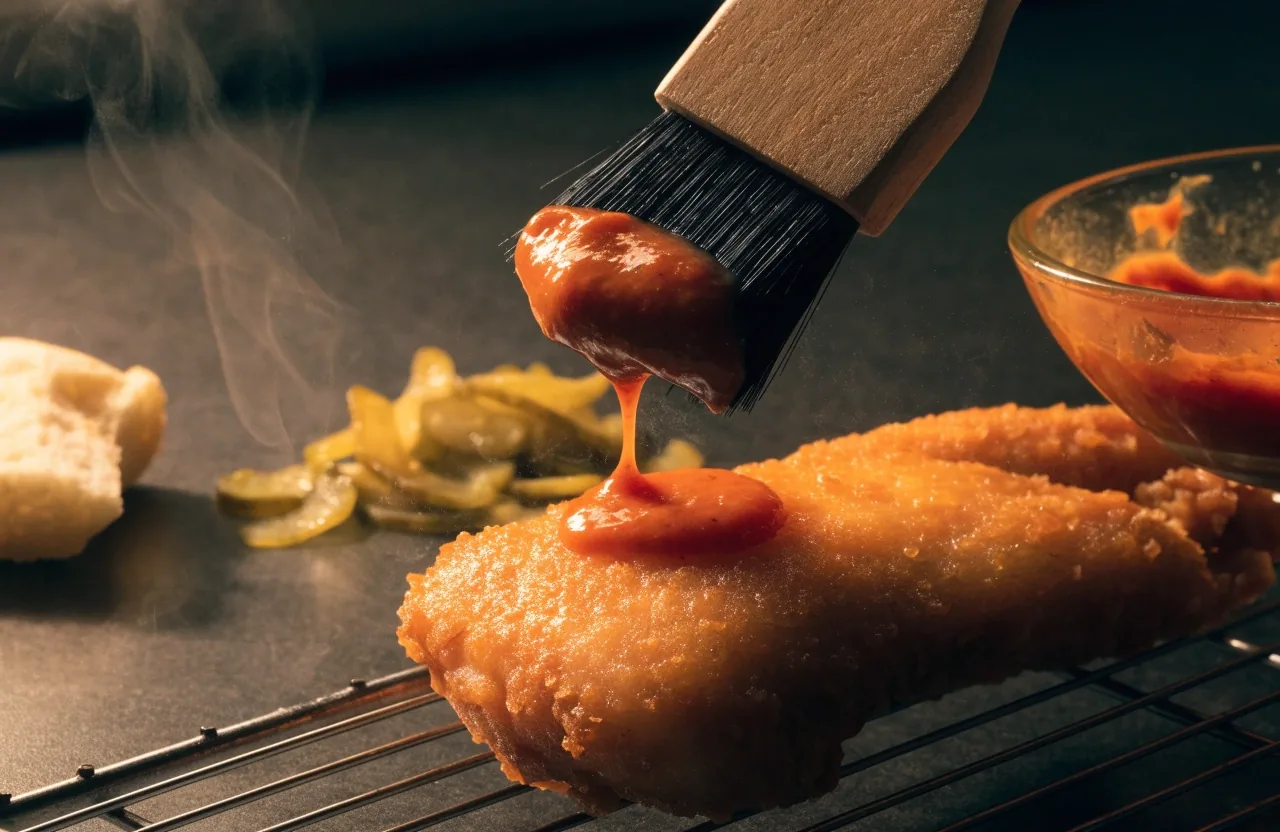
Heat applied after the fry
Brine
12:00 hours
Heat grade
III of V
Brine / Dredge / Fry / Paste / Rest
Nashville Hot Chicken at Home
The heat goes on after the fry, not into the batter. That one choice keeps the crust crisp.
What makes it different
Standard fried chicken puts spice in the dredge or the brine, which means the heat cooks into the crust and often softens it. Nashville hot chicken fries the chicken plain, then brushes or ladles a cayenne-heavy paste over the finished pieces. The crust stays crunchy underneath.
The dish is associated with Nashville, Tennessee, and it is typically served on white bread with pickles. The bread and pickles are not garnish: they soak up oil and cut the fa, which is what keeps a heavily spiced plate pleasant to eat all the way through.
Spice placement
Same bird, same fryer, one different decision at the end.
The cayenne paste
The paste is fa plus cayenne plus a little sweetness and acid. Melted fa, cayenne, a spoon of the frying oil, a pinch of sugar, and a splash of vinegar is the base. Whisk it while warm and brush it on immediately after the chicken comes out of the oil, so the paste clings and the crust absorbs it without going soggy.
Adjust the cayenne quantity to your heat tolerance; the technique does not change. A mild plate and a fiery one come off the same batch, which is the whole point of spiced-to-order chicken.
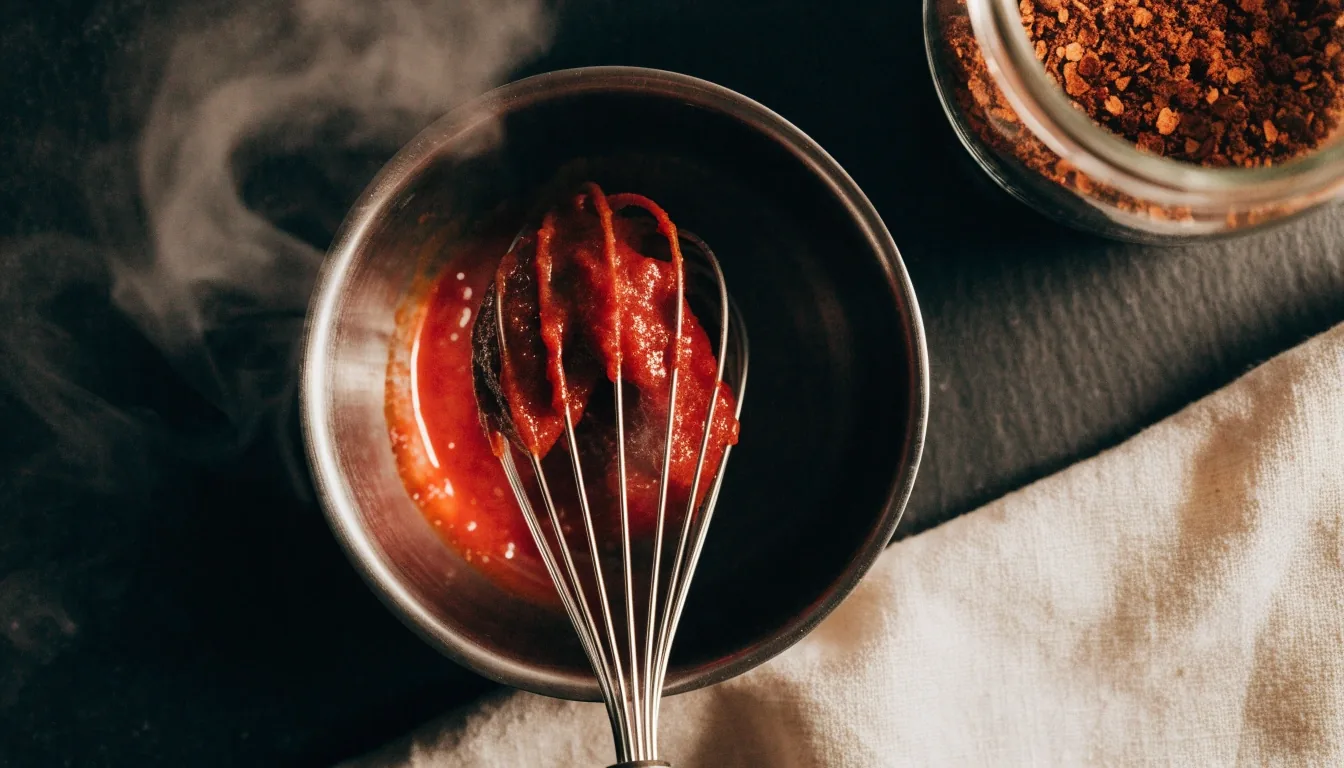
Base ratio
Whisk warm, brush within a minute or two of the chicken leaving the oil. Cold paste sits on top of the crust instead of soaking in, so reheat it gently if you mixed it earlier in the day.
Frying the base chicken
Use the same approach as any fried chicken. The paste is the last step, not the first, so everything before it should already be working.
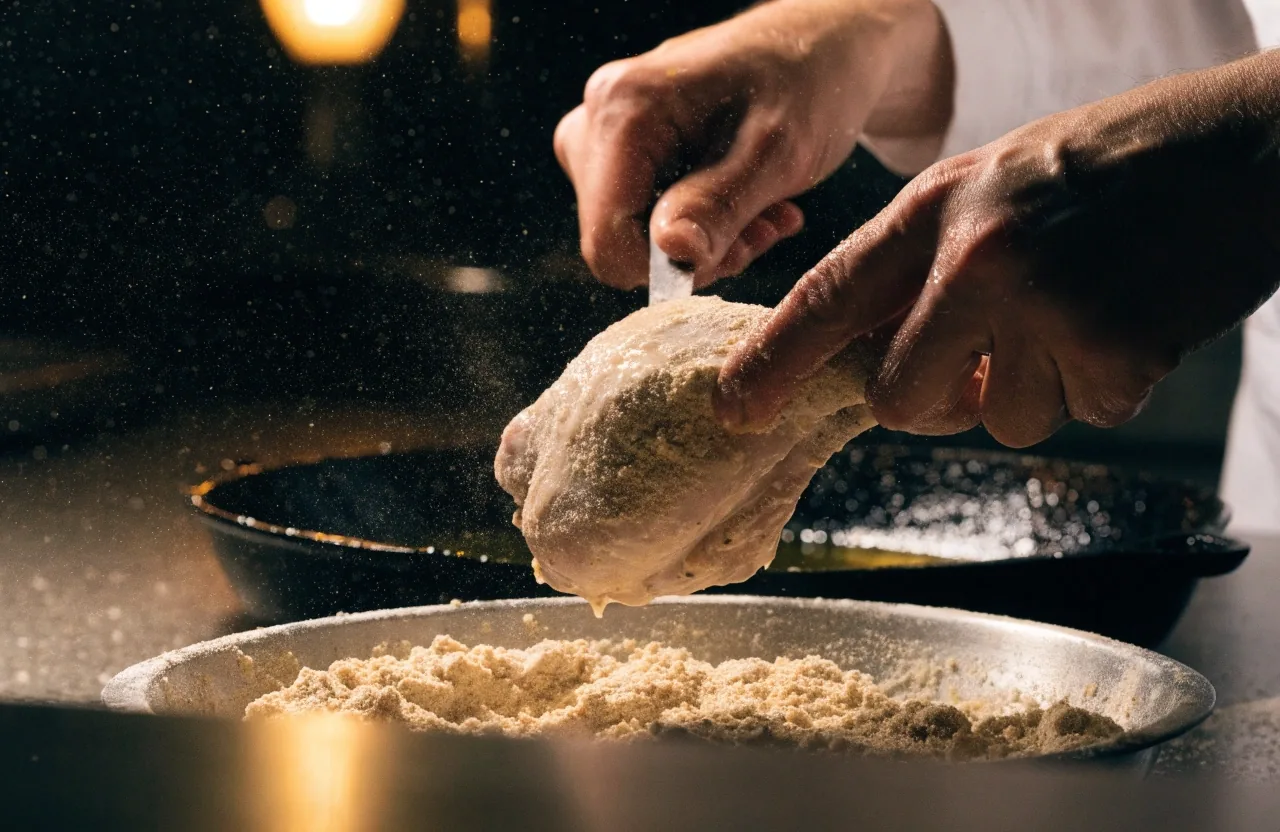
Brine and dredge
Buttermilk brine, then a seasoned flour dredge pressed on with a light hand. Let the coated pieces sit for ten minutes so the flour hydrates and grips.
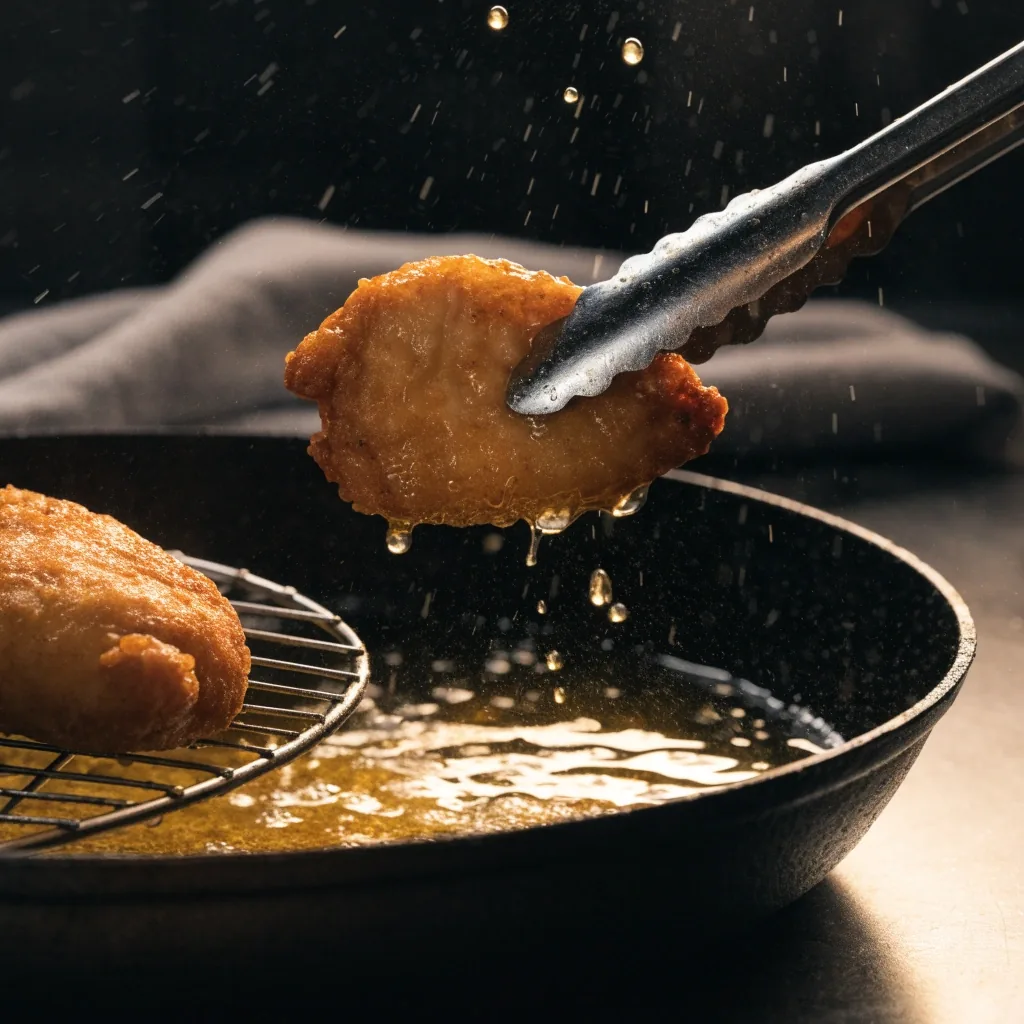
Fry and rest
Oil at 325 to 350 degrees Fahrenheit, fried in batches so the temperature does not drop. Rest the pieces on a wire rack, not paper towels.
Times at a glance
Times shift with piece size and how cold the chicken went in. Treat these as the working window and let your thermometer have the last word.
Cooking times are guidance, not a fixed schedule. Dark meat tolerates the longer end of each range better than breast.
Roman numerals run I to V across the site, where I is a light brush of paste and V is a heavy one. The fry time itself never changes with the grade.
Heat levels, spiced to order
Because the paste is applied per piece, you can serve a mixed table from one batch. Brush lightly for mild, generously for hot, and leave a piece or two plain for anyone who wants no heat. This is the practical advantage of the spiced-to-order approach and the reason the dish works at restaurants with varied customers.
Set the plates out before you start brushing and work left to right, plain first. Once the paste is on, the grade is fixed, so deciding per piece on the fly is how tables end up with everything at the same heat.
Pickles and bread at the table do more work the higher you go, so plate them for every grade.
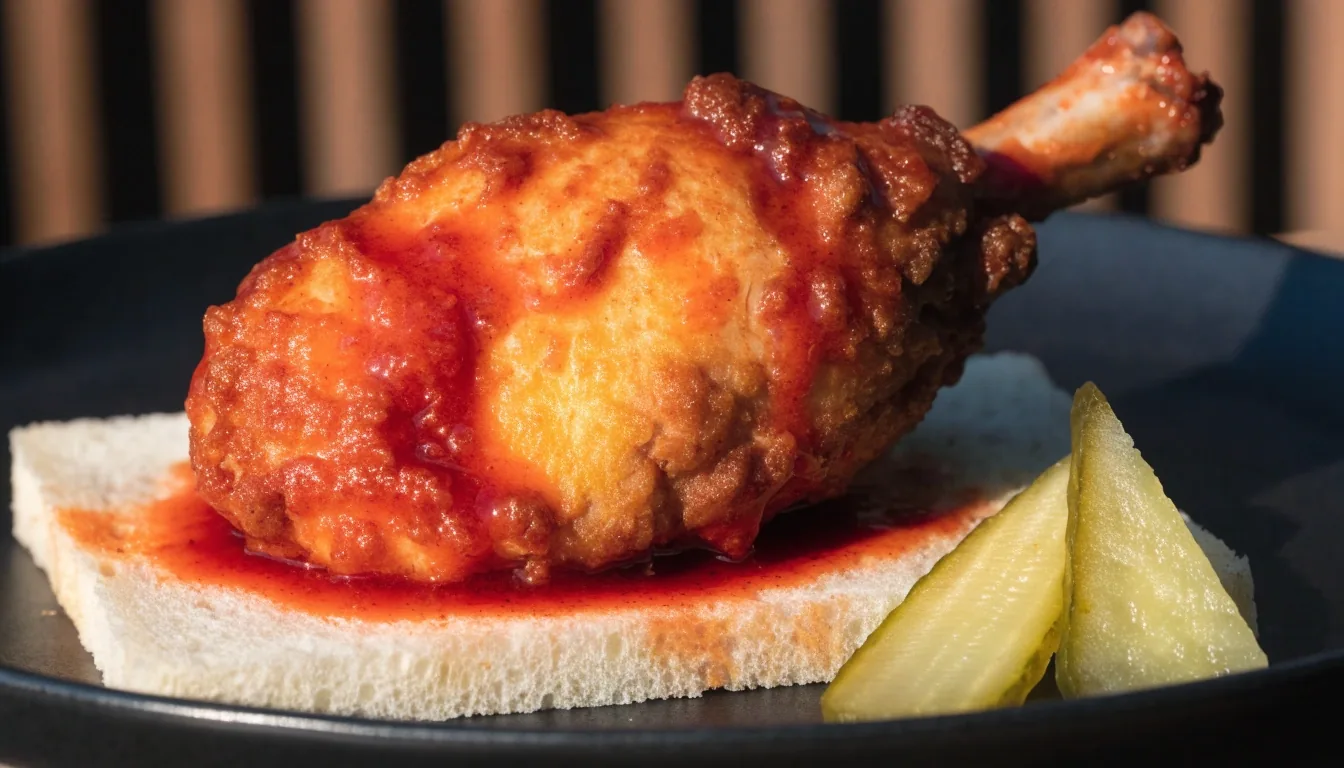
The paste goes on while the chicken is still hot, within a minute or two of coming out of the oil.
That window is the difference between a crust that drinks the cayenne in and one that wears it like a coat. Have the paste whisked, warm, and within arm's reach before the first piece leaves the skillet.
Serving: bread, pickles, slaw
White bread goes under the chicken, not on the side. Pickles go on top. Slaw is optional but common, and it adds a cool, crunchy counterpoint. The bread's job is to catch oil and paste, so use a slice that can take it. A soft white loaf works; anything too crusty just gets in the way.
Plate the bread first, chicken second, pickles last, and let it sit for half a minute before it goes out. The bread softens underneath and the pickles stay cold and sharp, which is exactly the contrast the dish is built on. A vinegary slaw on the same plate does the same job with more crunch.
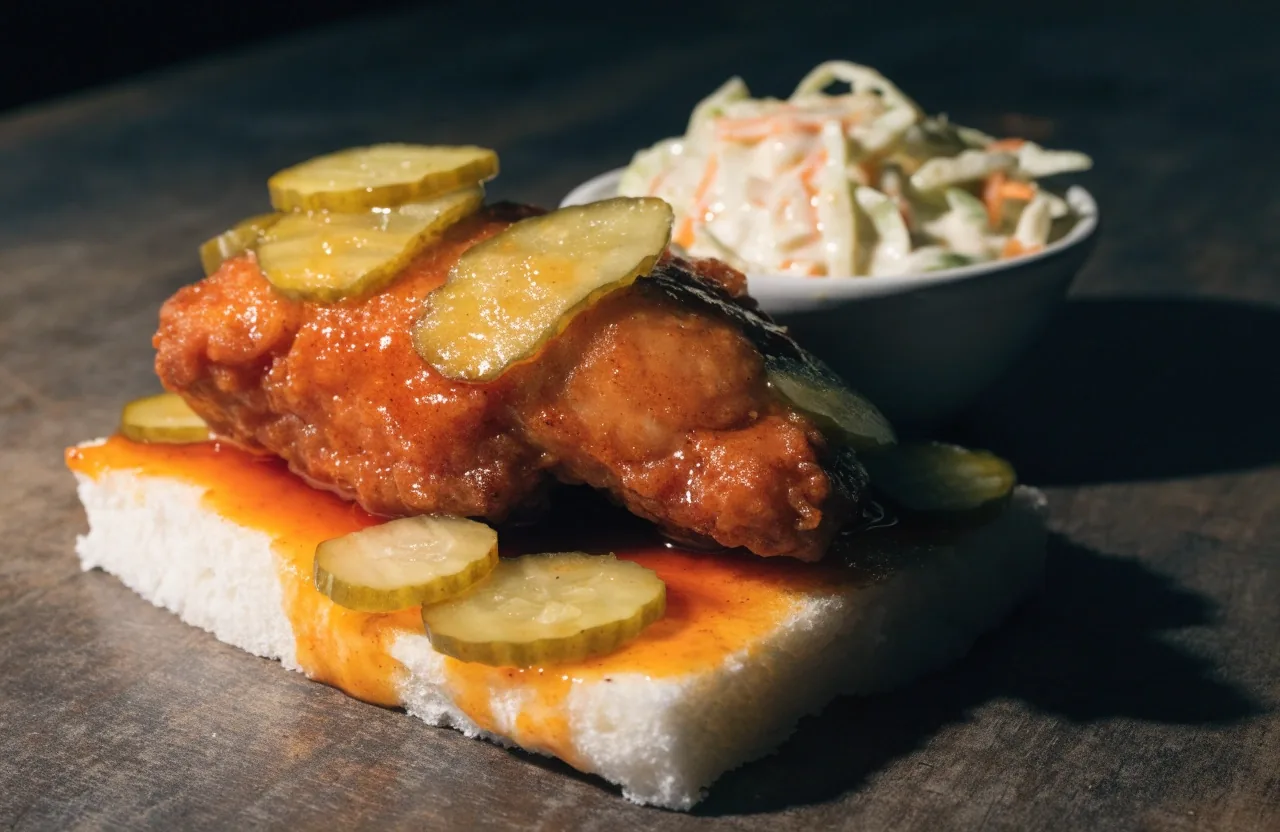
Bread underneath catches the oil and paste. Pickles on top stay cold and sharp against the heat.
Common mistakes
-
Paste on cold chicken
It slides off and the crust stays bare. Brush within a minute or two of the fryer.
-
Too much cayenne in the dredge
The crust burns before the chicken cooks through. Keep the spice in the paste instead.
-
Oil too cool
The breading absorbs fa and goes heavy. Let the oil come back up between batches.
-
Skipping the rest on a rack
Steam softens the bottom. Paper towels trap it; a wire rack lets it go.
Each of these is fixable, and none requires special equipment.
Tenders and sliders
The same paste works on tenders and sliders. Tenders fry faster, usually 4 to 6 minutes depending on size, so watch the internal temperature. Sliders use a small fried piece in a soft bun with slaw and pickles; the bun dilutes the heat, so a slightly heavier paste application works well here. Bites, the smaller format, cook in about 3 minutes.
For a crowd, fry tenders in one pass and set the paste out on the counter so people build their own. Sliders and bites travel better than bone-in pieces if the food is moving to another room.
Compare wings, tenders, and sliders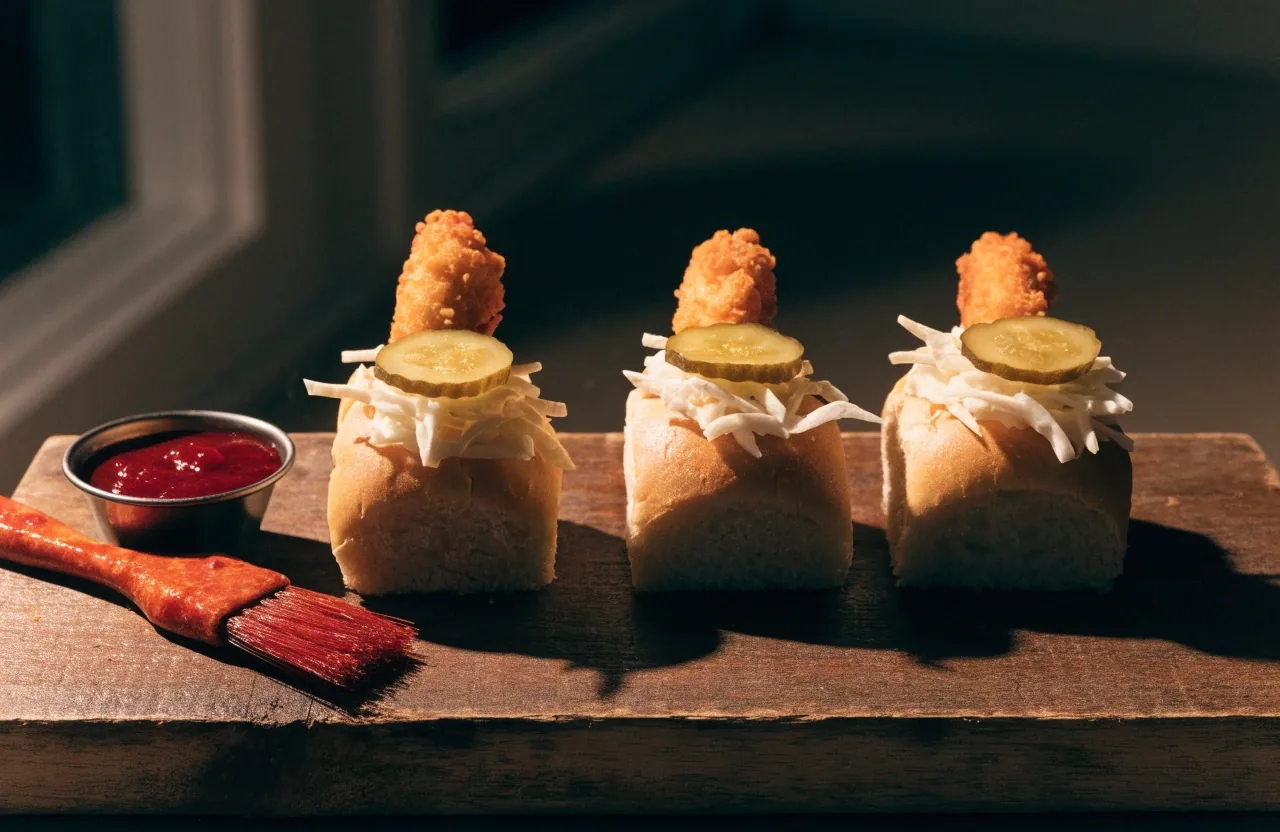
Adjusting for your kitchen
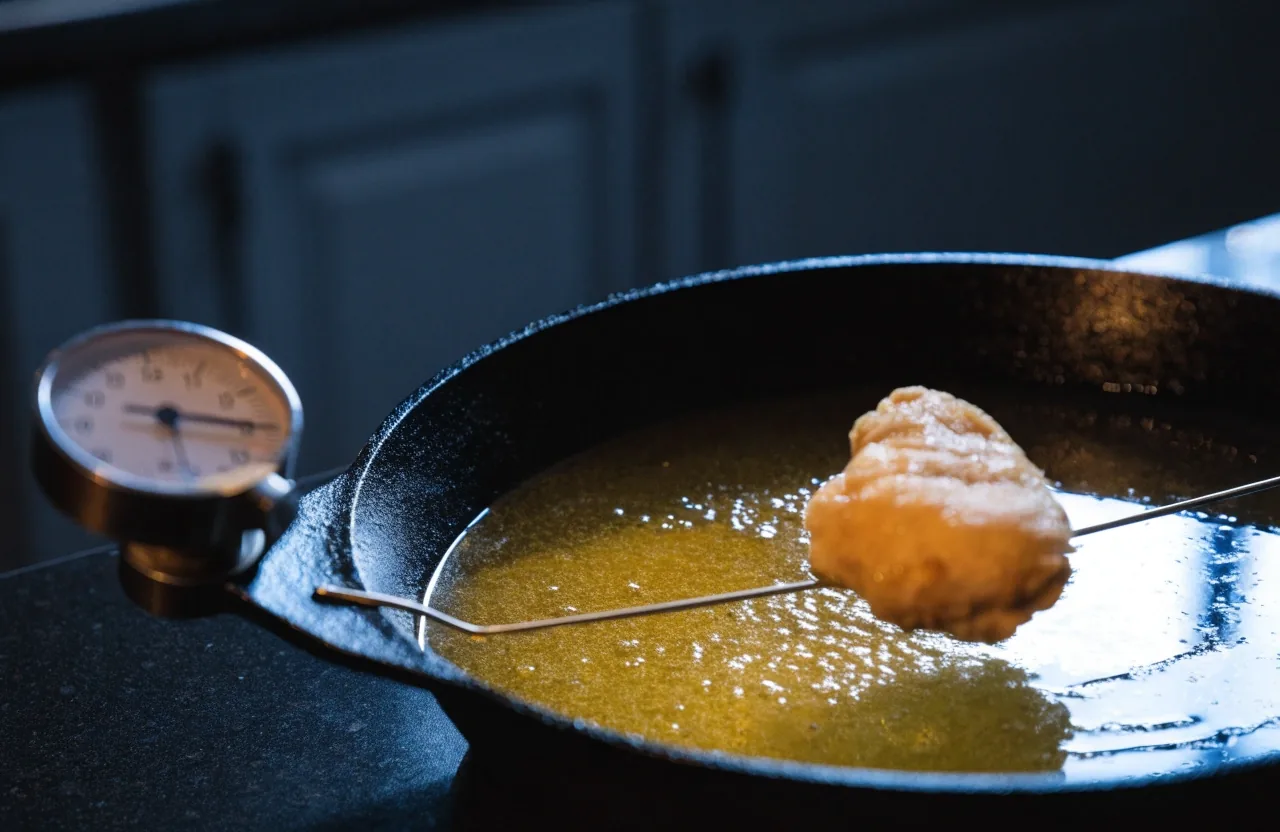
No deep fryer, no problem
A cast-iron skillet with two inches of oil works and gives better temperature stability than a thin pan. The skillet holds heat through a batch, so the oil recovers faster between pieces and the crust sets instead of drinking fa.
No thermometer? Get one. Oil temperature is the single variable that decides whether fried chicken works, and guessing it is the most common reason home attempts fail.
Keep the paste warm on the lowest burner while you fry. Warm paste spreads in one stroke; cold paste needs three and drags the crust with it.
Two inches of oil, a wire rack, and a sheet pan behind the stove is the whole setup. Anything taller just means more oil to heat and more to cool down afterward.
Vent the kitchen before the first piece goes in. Cayenne in hot oil sharpens the air quickly, and a window or hood keeps the next hour comfortable.
Working hours at the kitchen on Sunset: Monday to Friday, 9:00 AM to 6:00 PM. Reach us at +1-323-555-0198.
Questions before you fry
Short answers to what home cooks ask most about hot chicken.
Can I make the paste ahead of time?
Yes, but warm it before brushing so it spreads evenly. Cold paste sits on top of the crust instead of soaking in.
How hot is Nashville hot chicken compared to Buffalo?
It is usually hotter, and the heat comes from cayenne rather than a butter-and-hot-sauce blend. You control the dose per piece with the paste, which Buffalo wings do not allow as easily.
What if I don't have pickles?
Any acidic, crunchy garnish works: quick-pickled onions, a dill spear, even a squeeze of lemon. The point is contrast against the fa and heat.
How long does the paste keep?
A few days in the fridge in a covered jar. It will firm up as it cools, which is expected, and a short spell over low heat brings it back to brushing consistency.
Can I bake it instead of frying?
You can, and the paste still goes on after the oven rather than before. Baked breading never gets quite as crisp as fried, so brush lighter and plan on eating it right away.
Next stop on the route
If the cayenne paste is the part you came for, the buttermilk fried chicken guide takes the same base fry without the heat and walks the brine and dredge in more detail. The full catalog has the rest of the ranked dishes, including the roast chicken and the chicken noodle soup.
Questions about the kitchen or a specific dish? Call +1-323-555-0198, Monday to Friday, 9:00 AM to 6:00 PM, or visit us at 4820 W Sunset Blvd, Los Angeles, CA 90027.
Total time, start to plate
Brine 12:00 hours
Dredge 10 minutes
Fry 14 to 16 minutes
Paste and rest 5 minutes
The brine is the long part and it is hands-off, so the night before is the right time to start. Everything after that is a single working hour. If you are cooking from the dave hot chicken style of cayenne-forward plates, this is the order to do it in.